9 hr
Dublin to Wicklow Mountains, Glendalough & Kilkenny Day Tour
- Expert local guide
- Small group
- Skip-the-line access
- Free cancellation
Kilkenny and Glendalough Tour — Wicklow Day Trips from Dublin
Round towers in mountain light, medieval streets beside a slow river.
Compare fares, pick the fit — all bookings are mobile-voucher and eligible for free cancellation where shown.
9 hr
10 hr 30 min
| Experience | Duration | Rating | Skip-the-line | Guide | Small group | Free cancel. | Price | |
|---|---|---|---|---|---|---|---|---|
|
Guided Experience
Most popular
Dublin to Wicklow Mountains, Glendalough & Kilkenny Day Tour
|
9 hr | ★ 4.8 | ✓ | ✓ | ✓ | ✓ | €45 | Book → |
|
Guided Experience
Kilkenny, Wicklow & Glendalough Day Trip with Sheepdog Show
|
10 hr 30 min | ★ 4.8 | ✓ | ✓ | ✓ | ✓ | €30 | Book → |
|
Standard Entry
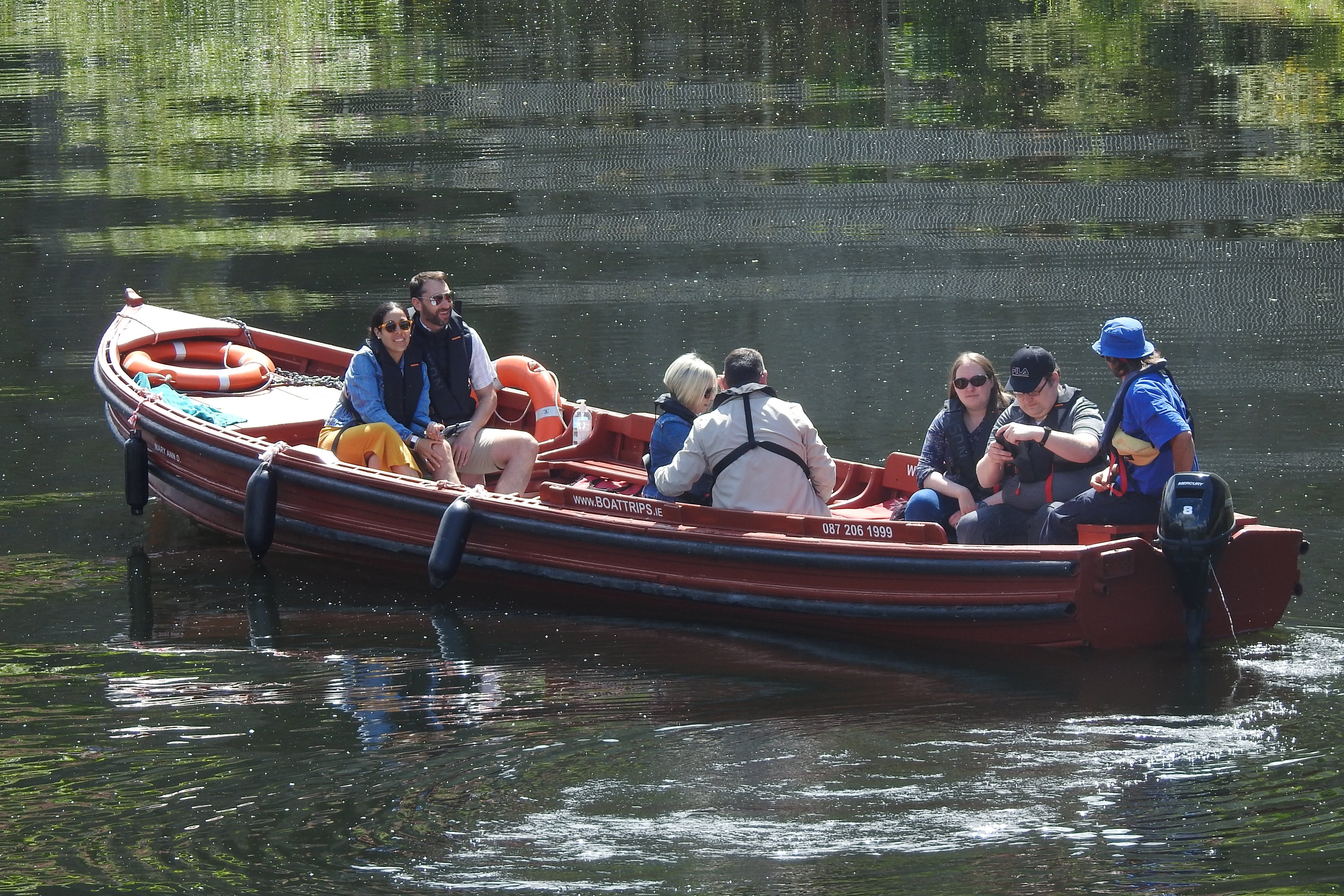
Kilkenny Guided River Boat Tour with Castle Views
|
— | ★ 4.8 | — | — | — | — | €15 | Book → |
They complement each other, but the kilkenny and glendalough tour is the better choice if you want a fuller first-time Dublin day with castle-town streets, Wicklow scenery, and a sheepdog stop; the Glendalough-only day trip is calmer and more focused on the valley itself.
|
Top pick Kilkenny, Wicklow & Glendalough |
Glendalough-only day trip | |
|---|---|---|
| Scope of day | Kilkenny, Wicklow, Glendalough, sheep farm | Glendalough valley only |
| Time at Glendalough | Over 2 hours | About 1–1.5 hours |
| Time in Kilkenny | Substantial free time | None |
| Scenery variety | Town, mountains, valley, farm | Valley, lakes, ruins |
| Sheepdog stop | 30-minute farm demo | No sheepdog stop |
| Total duration | About 10 hours | About 4–6 hours |
| Walking pace | Moderate, spread across stops | Leisurely, site-focused |
| See tickets & prices |
Verdict: Choose the fuller tour if you want the most varied countryside day; choose the Glendalough-only option if you prefer a shorter, slower visit centered on the monastic site.
Hand-picked experiences loved by thousands of travelers
1.5 hours
Free Cancellation
Wander Kilkenny's Medieval Mile with a local magician-guide mixing history, mystery, and comedy.
1 hour 15 minutes
Free Cancellation
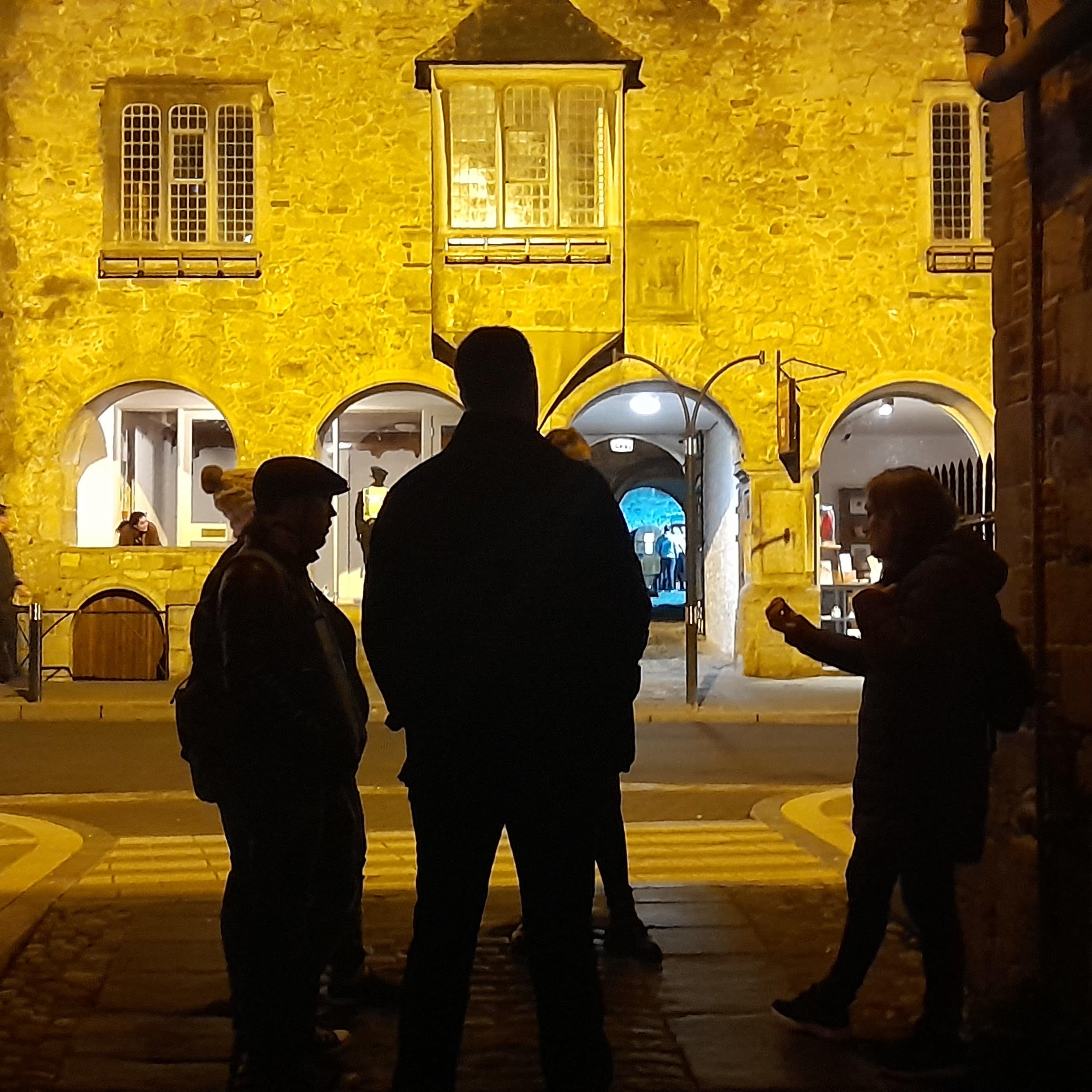
Evening walk through Kilkenny's shadowy past, from witch trials to old hanging grounds.
10.5 hours
Free Cancellation
Full-day trip from Dublin to Glendalough's lakes and Kilkenny's medieval streets.
Self-paced visit (duration not specified)
Free Cancellation
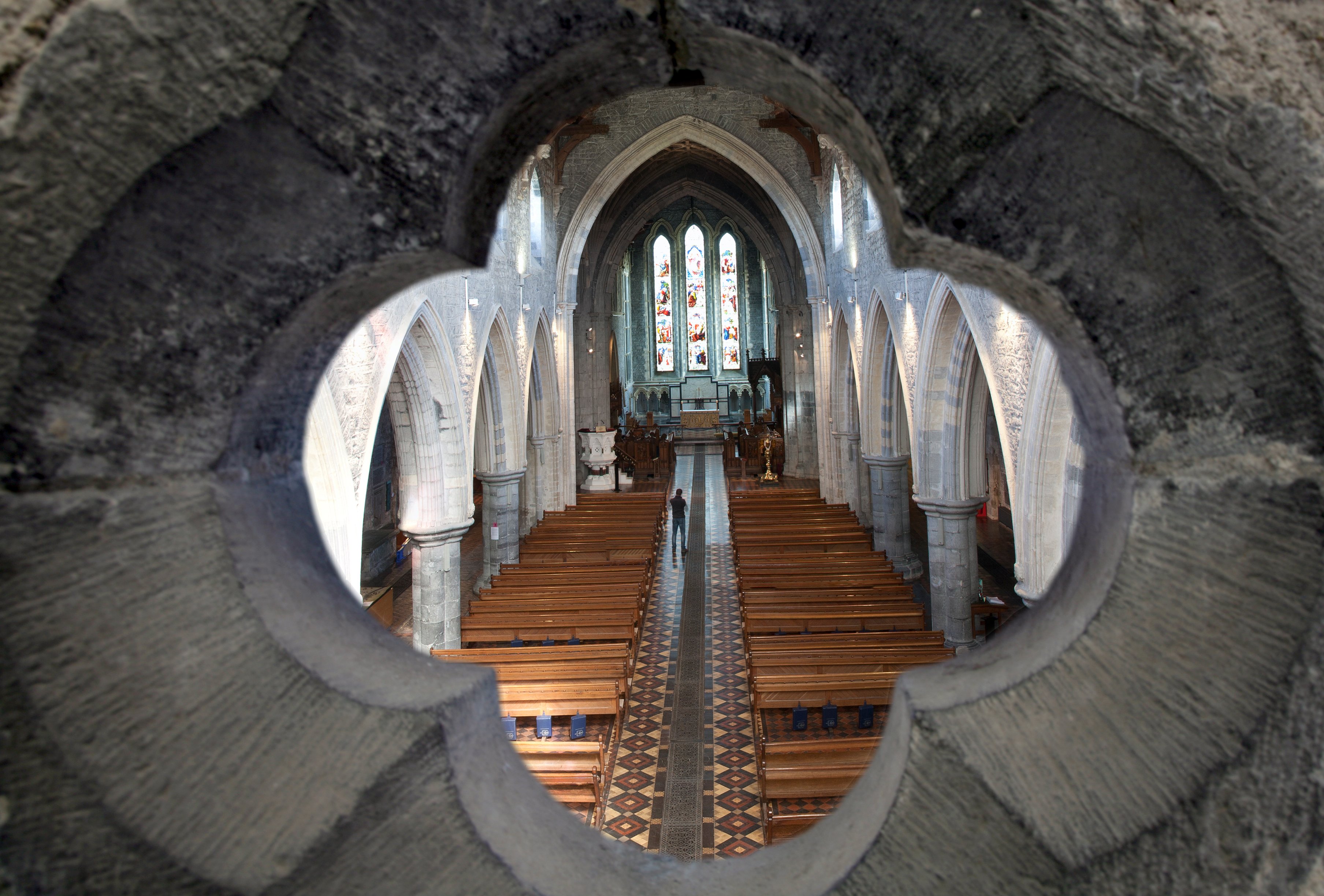
Explore a medieval cathedral and climb one of only two historic round towers you can scale in Ireland.
1 day
Free Cancellation
Train through Ireland's countryside to a medieval castle town and a legendary crystal workshop.
10 hours
Free Cancellation
From ancient monastic ruins to a medieval walled city, one unforgettable day out of Dublin.
11 hours
Free Cancellation
A private, chauffeured day trip to medieval Kilkenny Castle and the famed Waterford Crystal workshops.
The visitor centre opens with an audiovisual introduction to St Kevin and the monastic foundation at Glendalough. It frames the site as one of Europe’s famous religious centres and prepares you for the ruins outside.
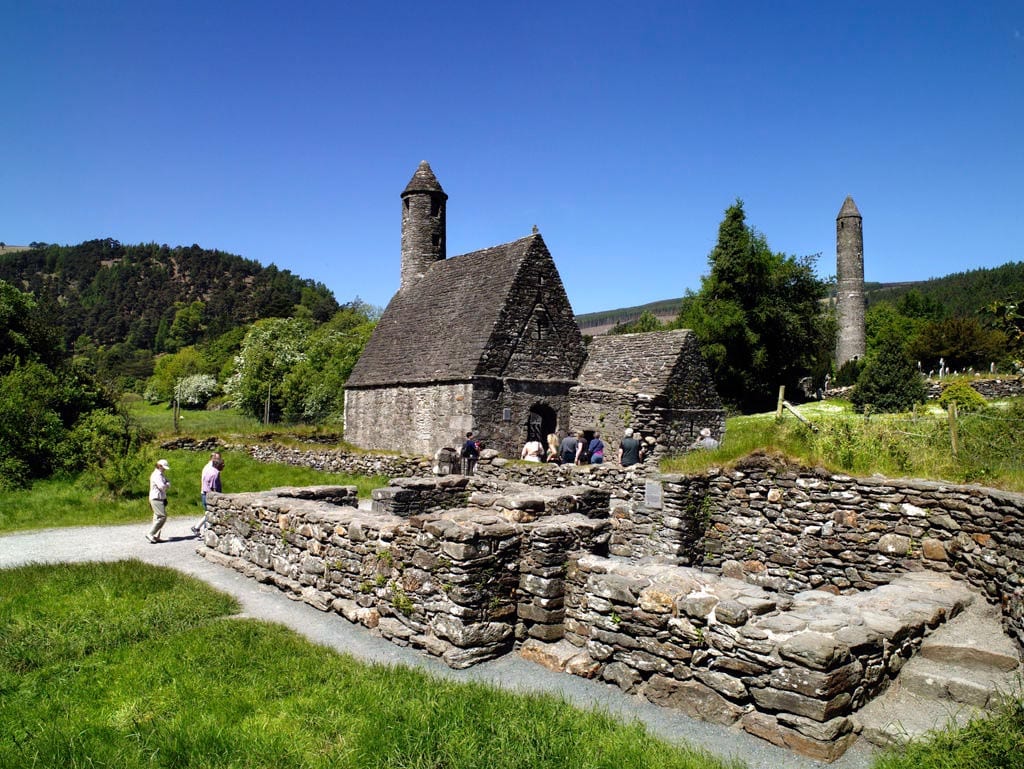
This 3D diorama reconstructs the monastic city as it may have looked in the twelfth century. It helps you identify the round tower, stone churches, decorated crosses, dwelling houses, and farming enclosures in one model.
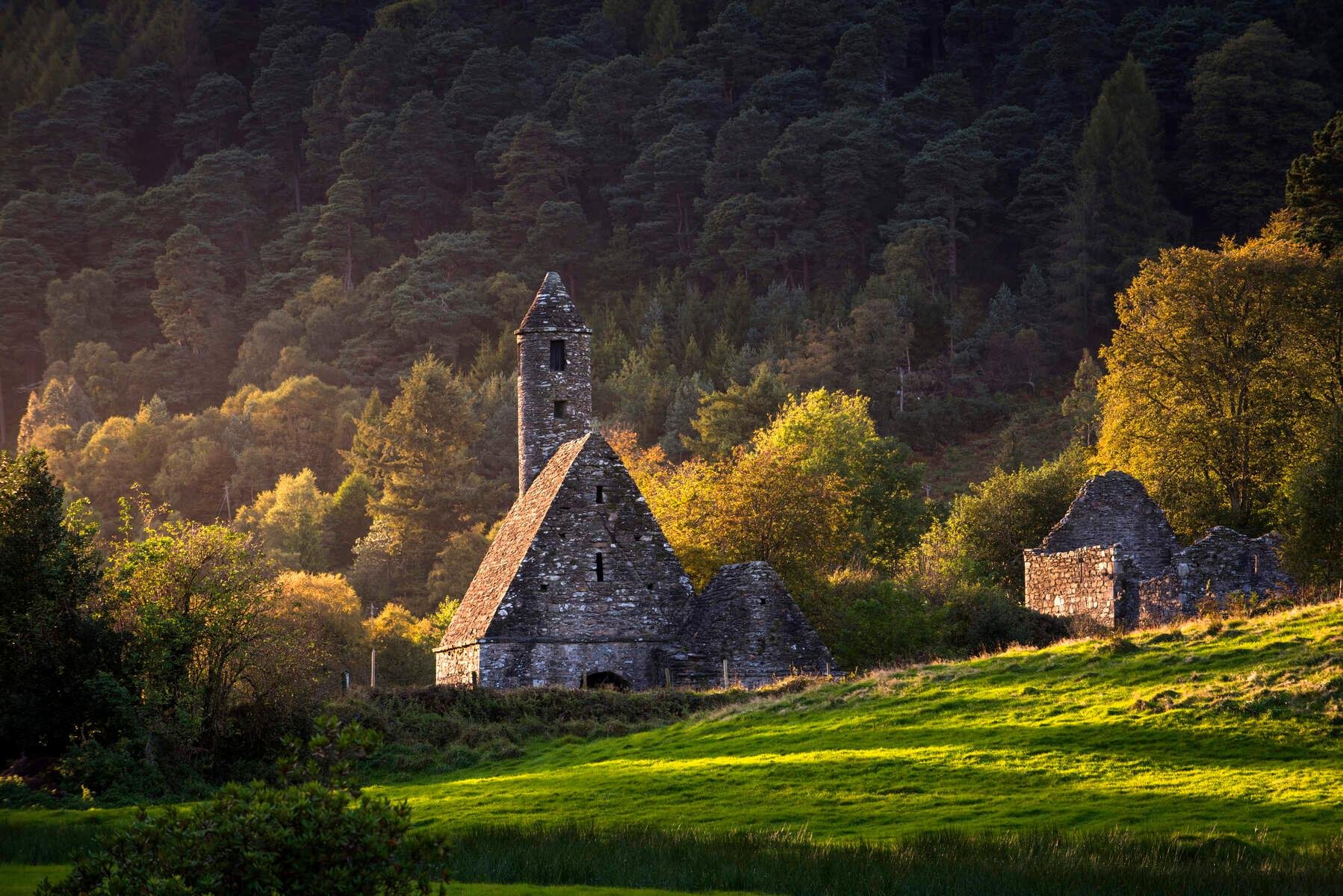
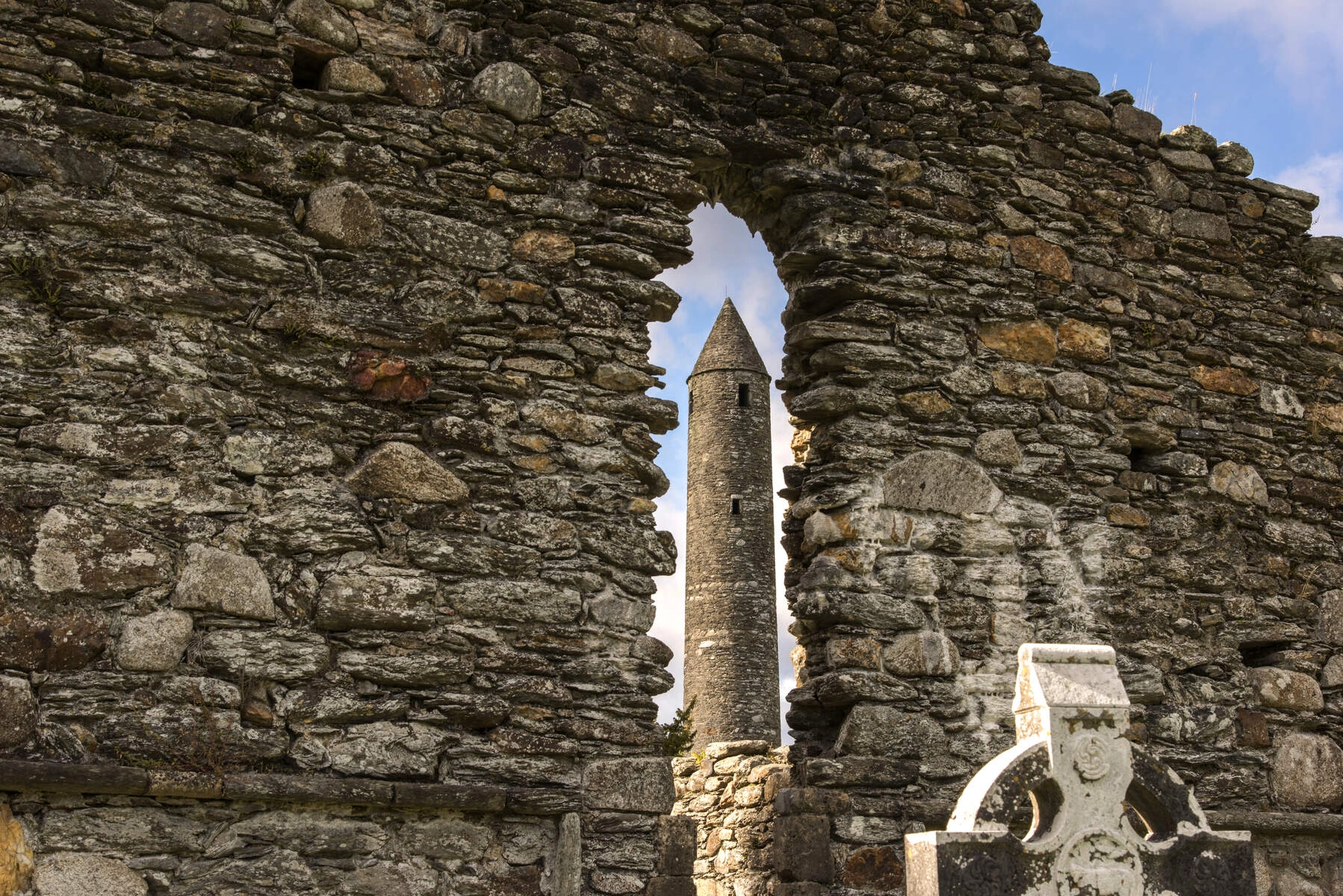
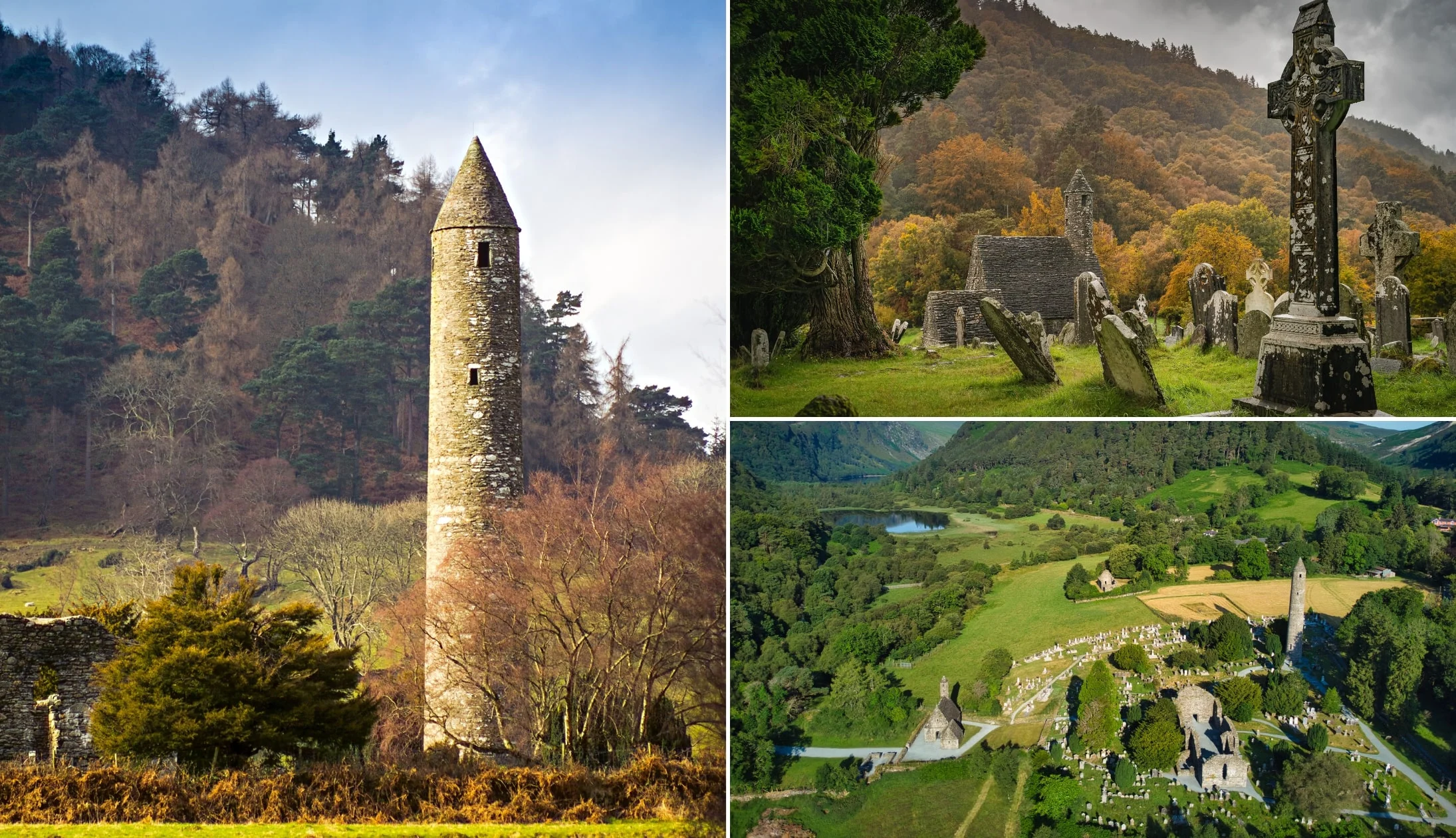
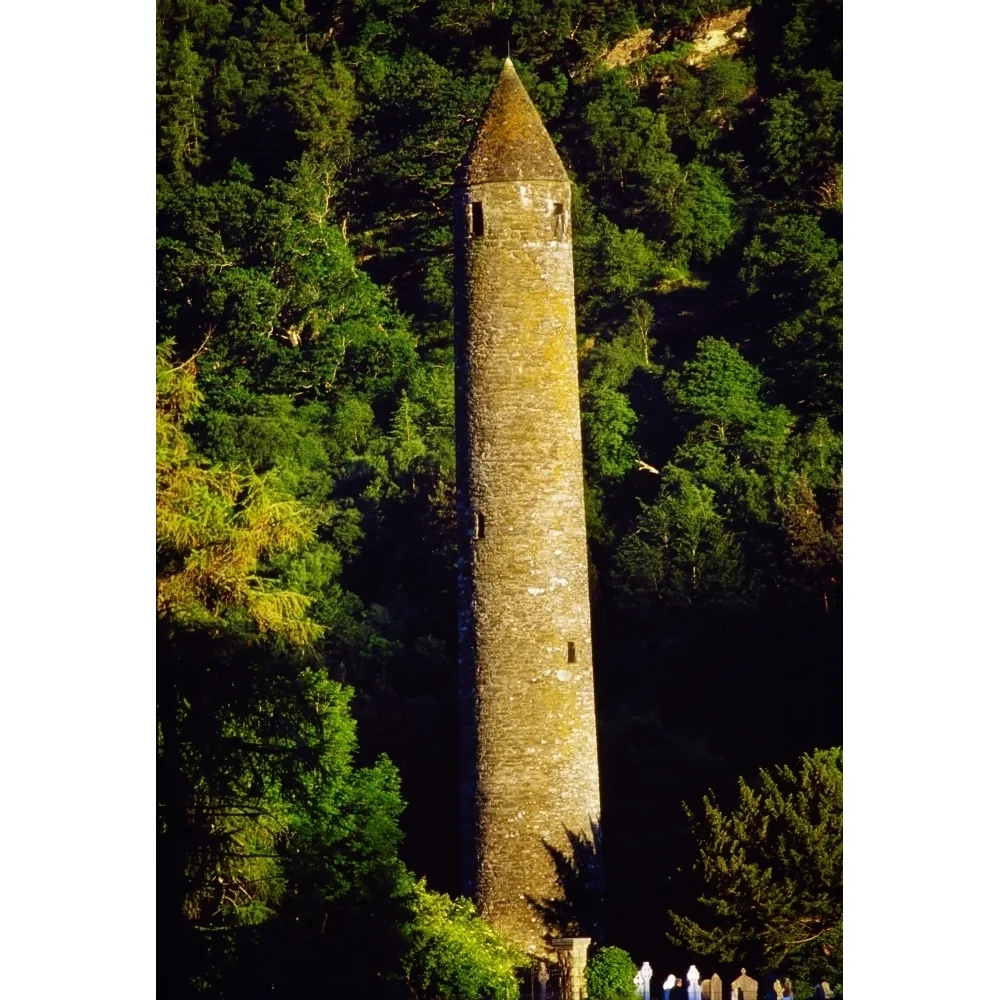
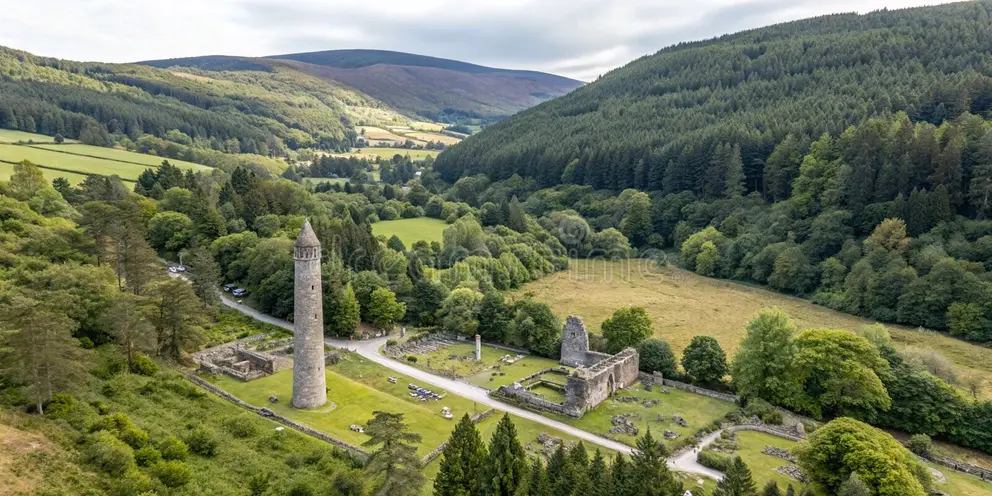
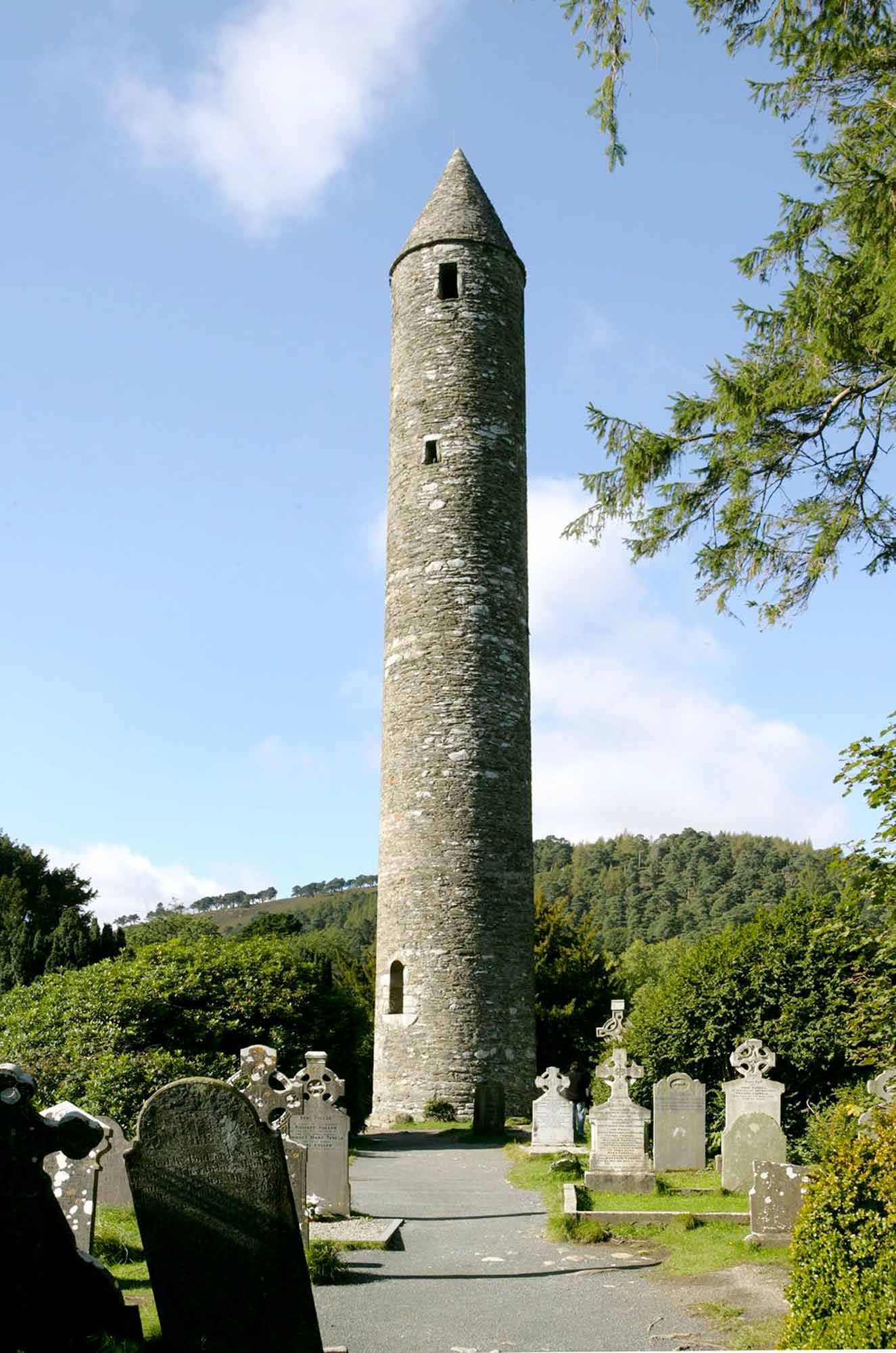
The round tower rises 30 metres and is the site’s most striking landmark. Its height makes the tower visible from afar, and it served both symbolic and practical functions in a monastic settlement.
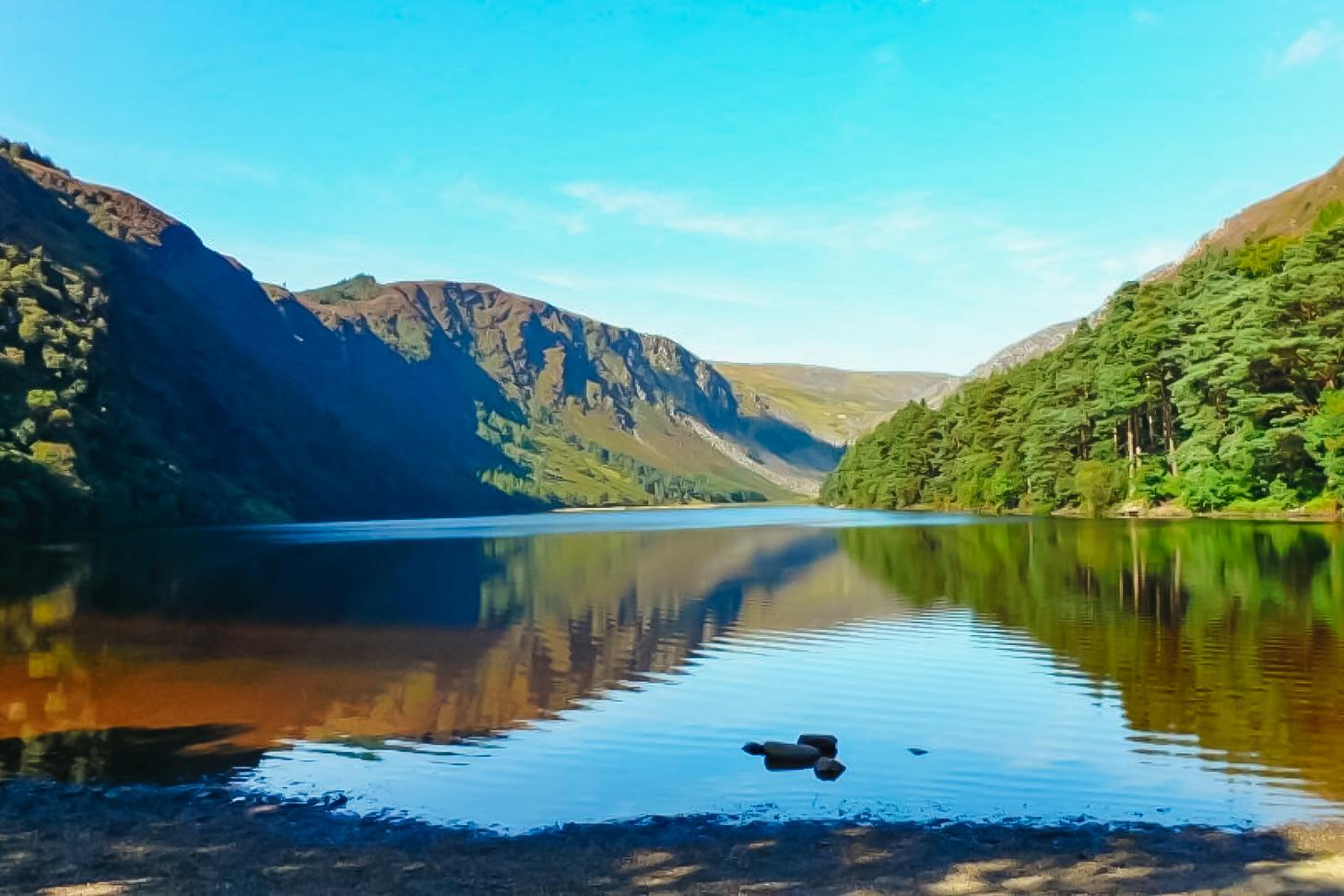
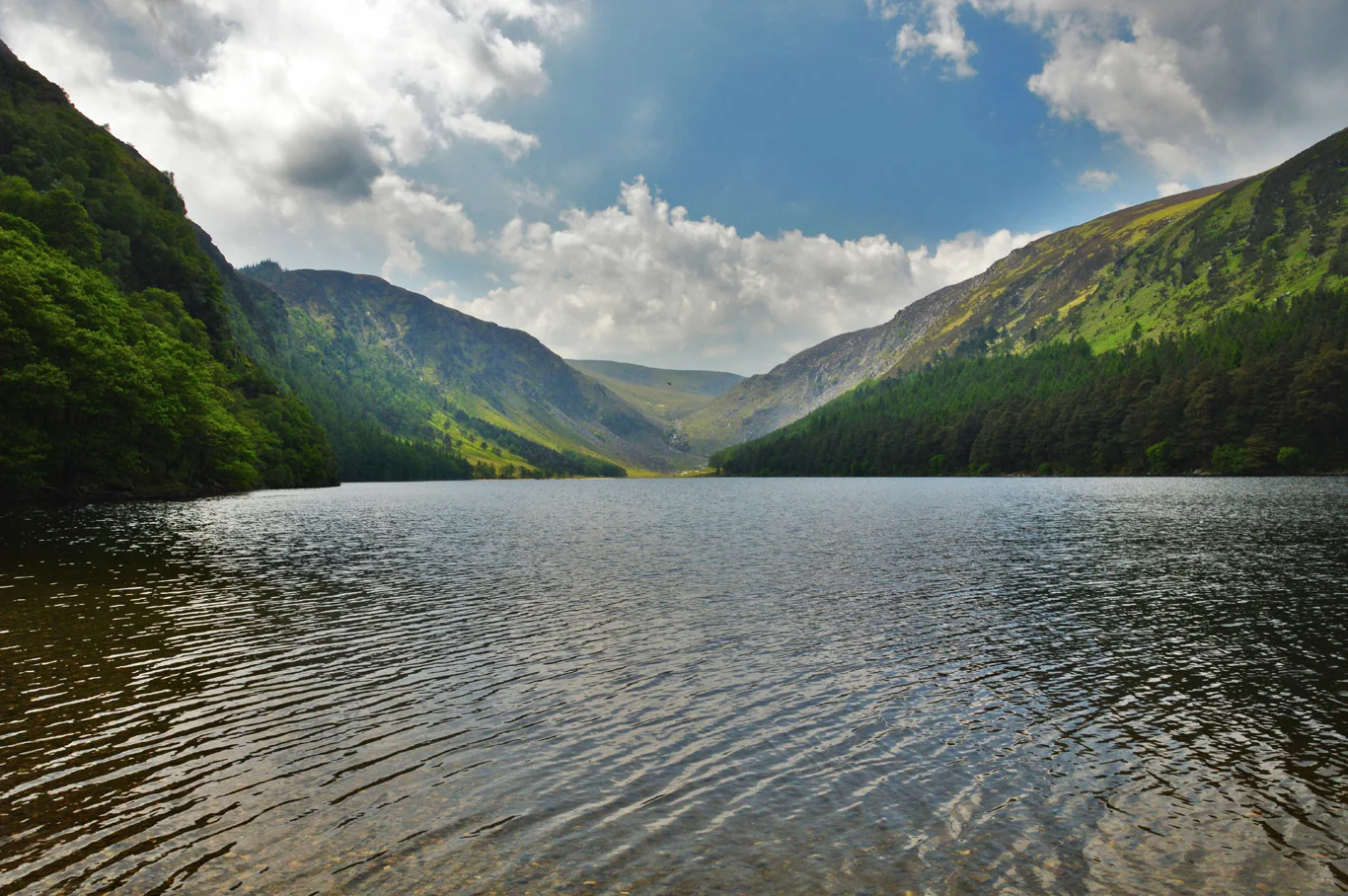
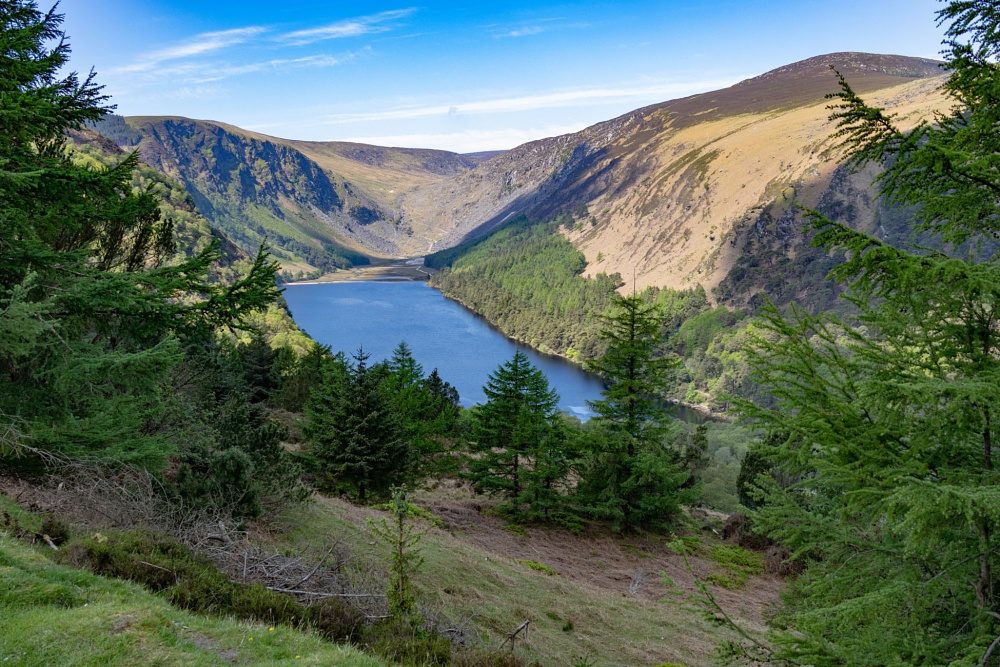
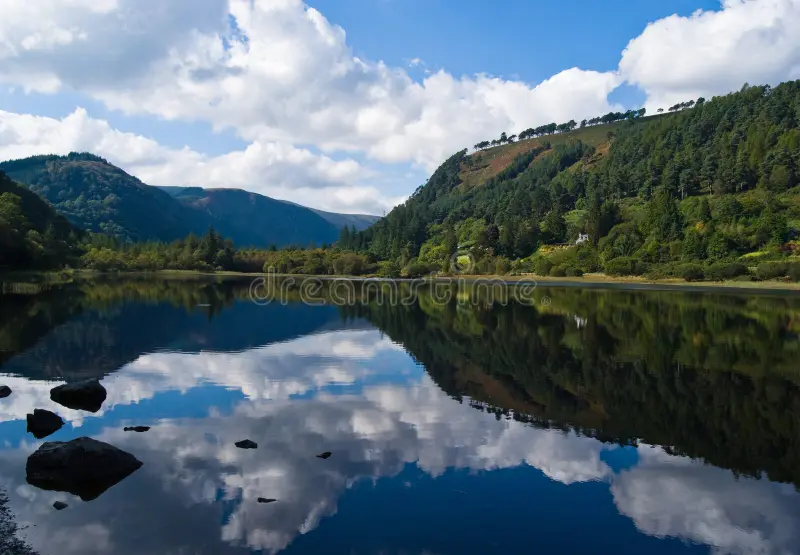
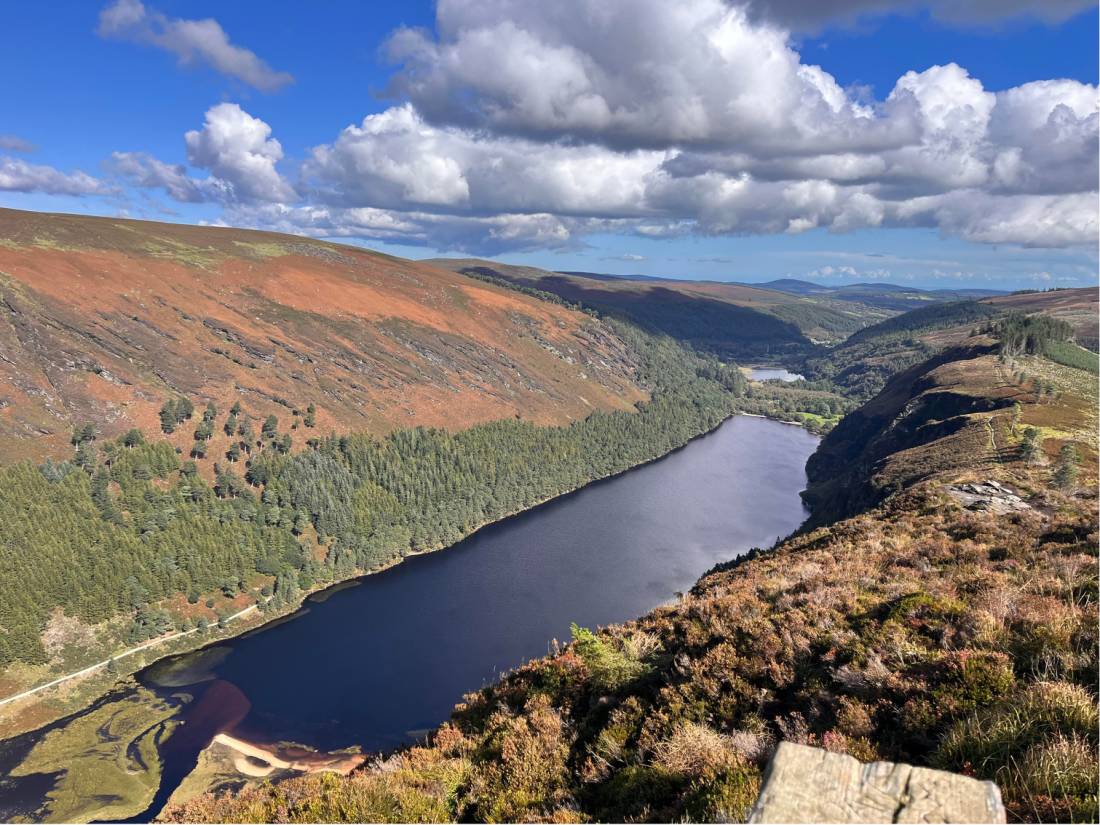
The two lakes give Glendalough its name and shape the valley’s visitor experience. The site page notes summer reflections, autumn mist, and snowy stillness, so the same viewpoint changes character by season.
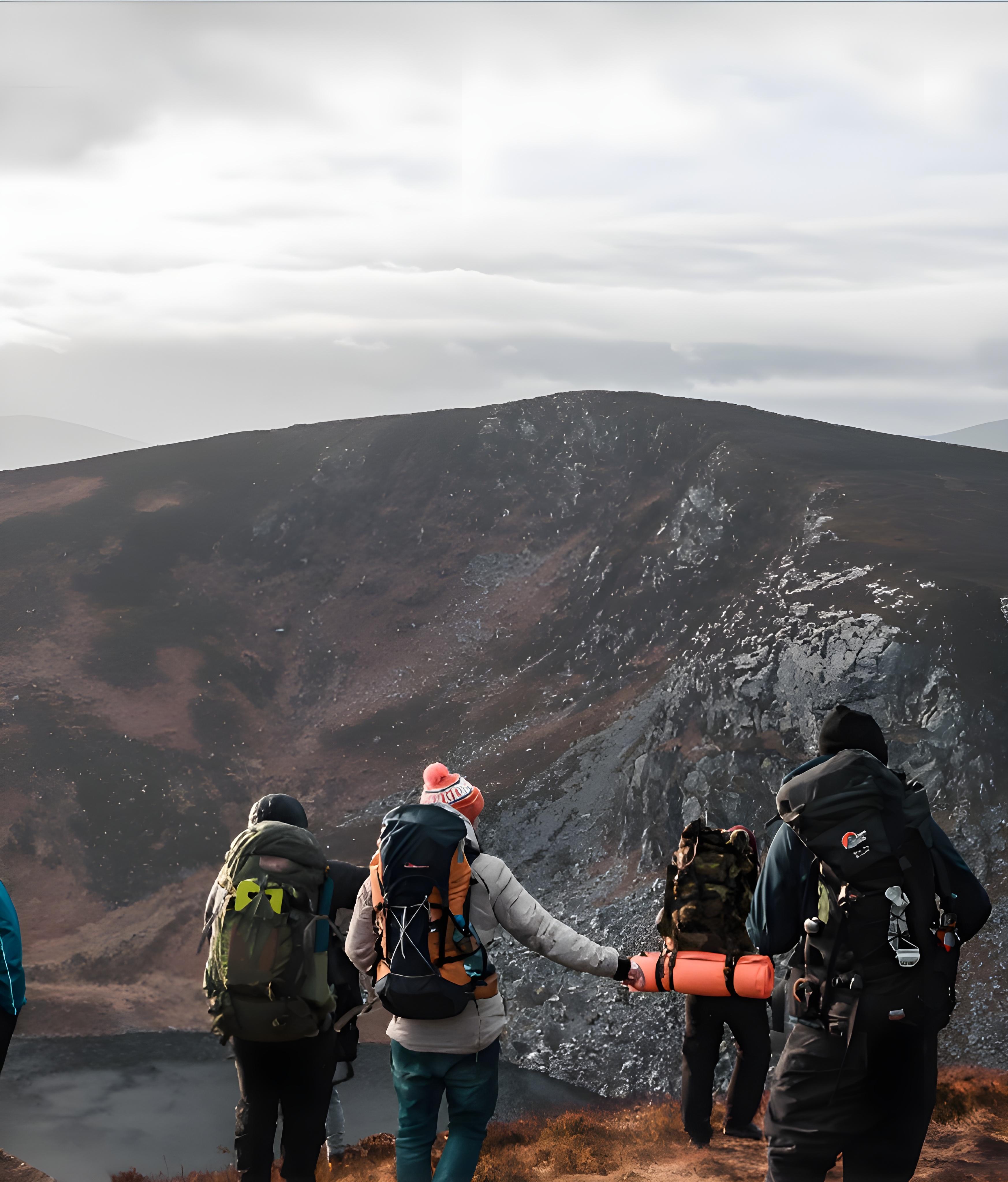
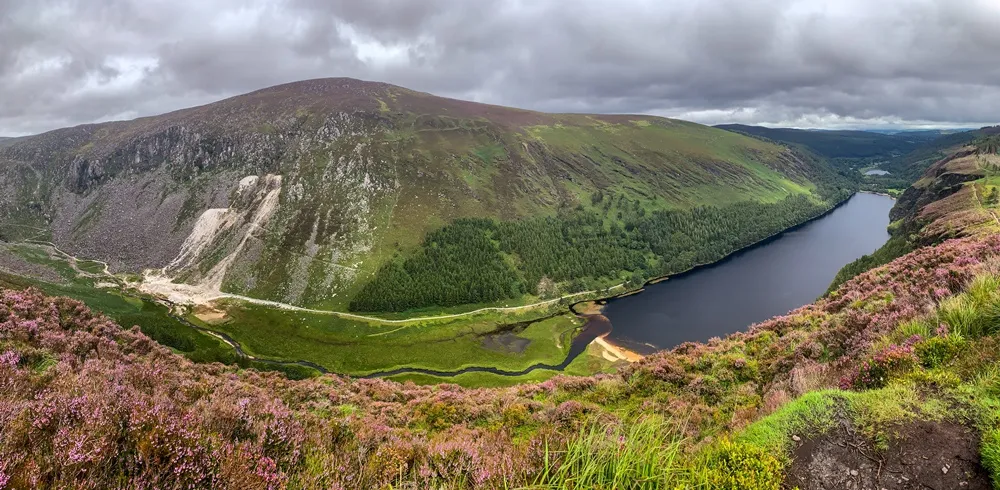
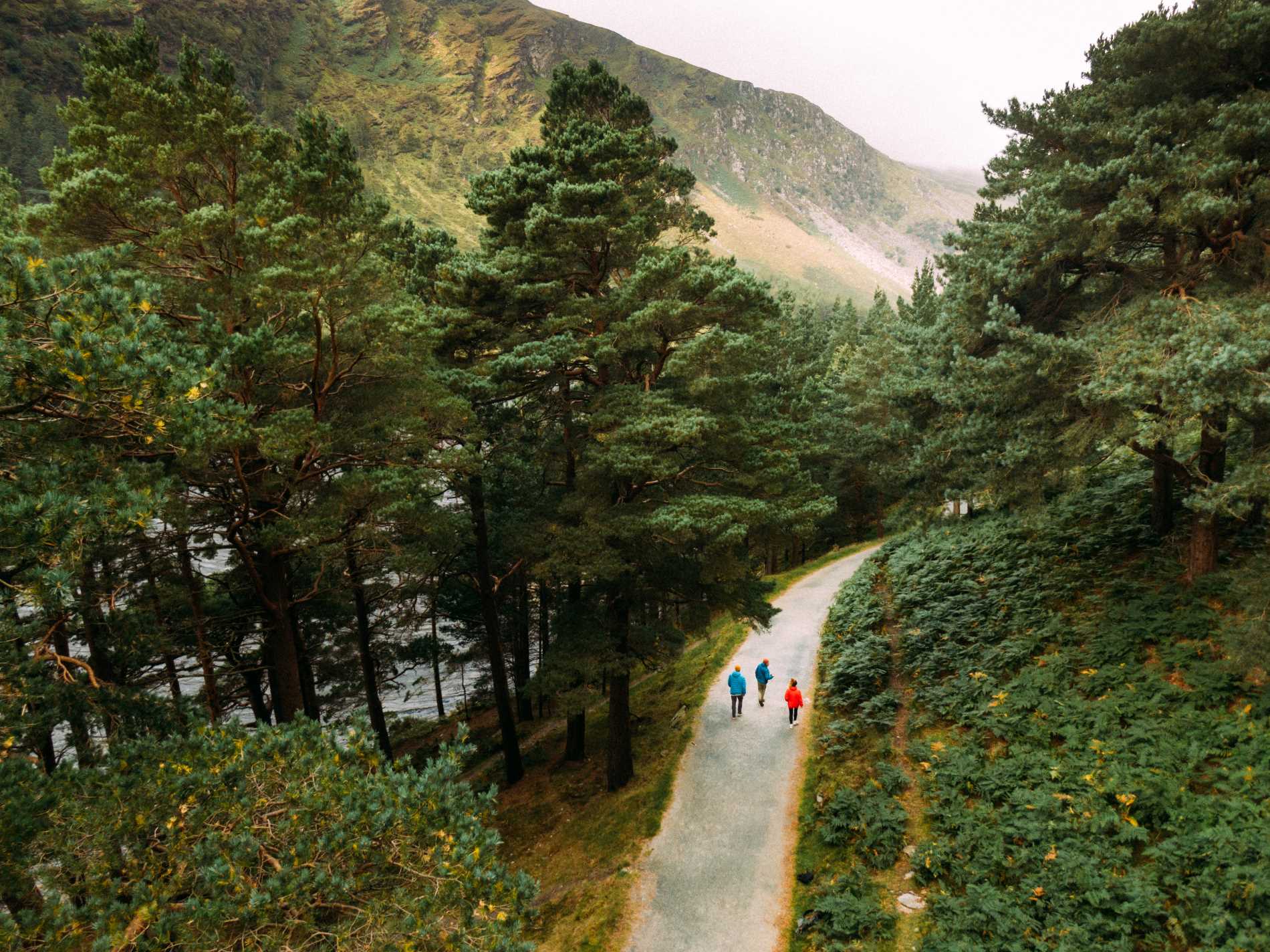
The Spinc Walk is a 10-kilometre loop trail with waymarking along the north side of the Upper Lake. It passes the old mining village, Glenealo Falls, and a ridge overlooking the glen, so it adds a hiking layer to the monastic visit.
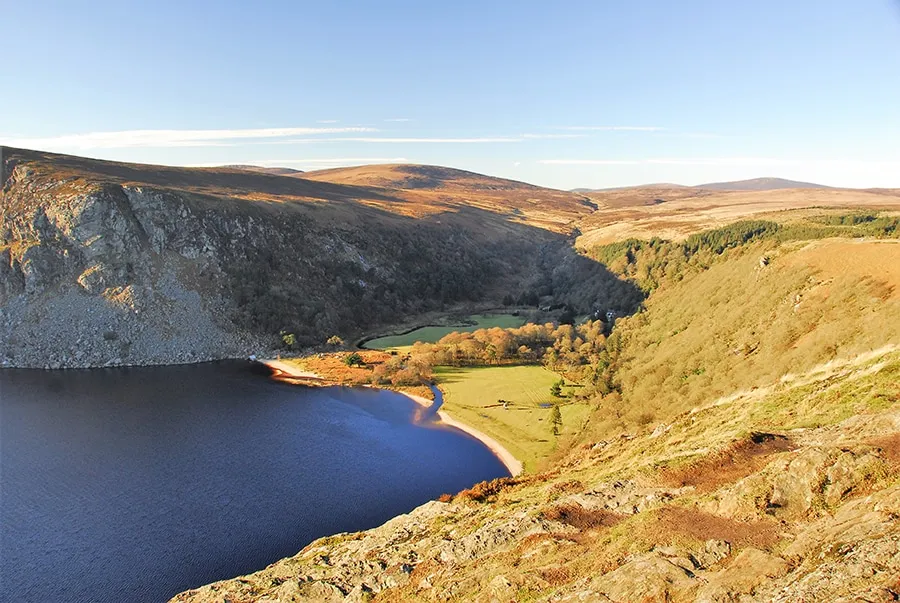
You board in Dublin before the traffic thickens, and the city gives way to the N11, then to bog road, inside forty minutes. The bus climbs. Somewhere past Enniskerry the hedgerows stop and the mountains open out — Lough Tay dark below the road, sheep loose on the verge.
On a kilkenny wicklow and glendalough tour from dublin the first halt is often a hillside farm, where one whistle sends two collies wide around a flock and back again.
You reach the valley inside the 09:30–11:00 window, walk under the stone gateway, and stand at the foot of the round tower counting the four windows at its cap. The path drops to the Lower Lake. Water holds the ridge upside down. Boots get wet. The air smells of pine, peat and cold stone.
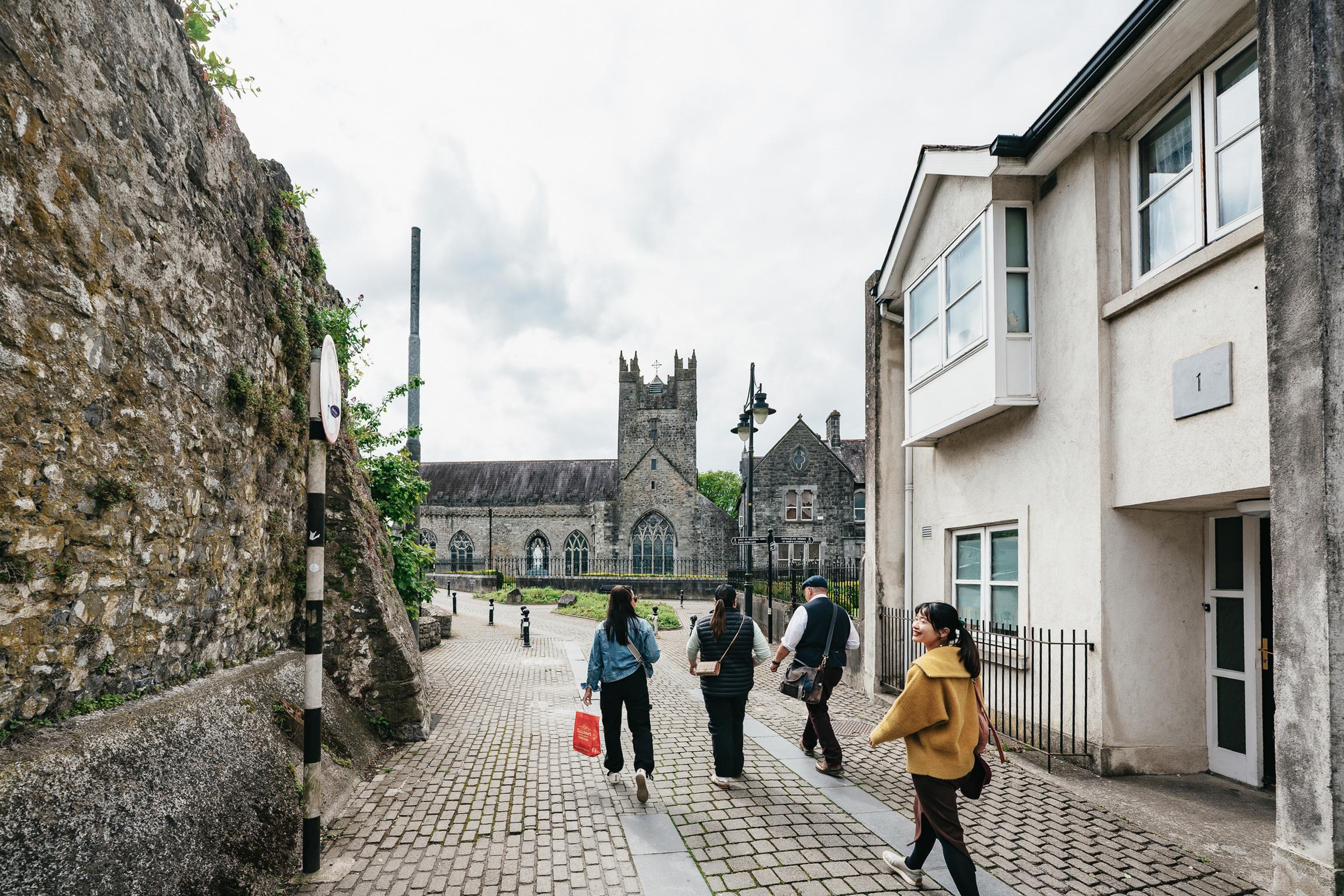
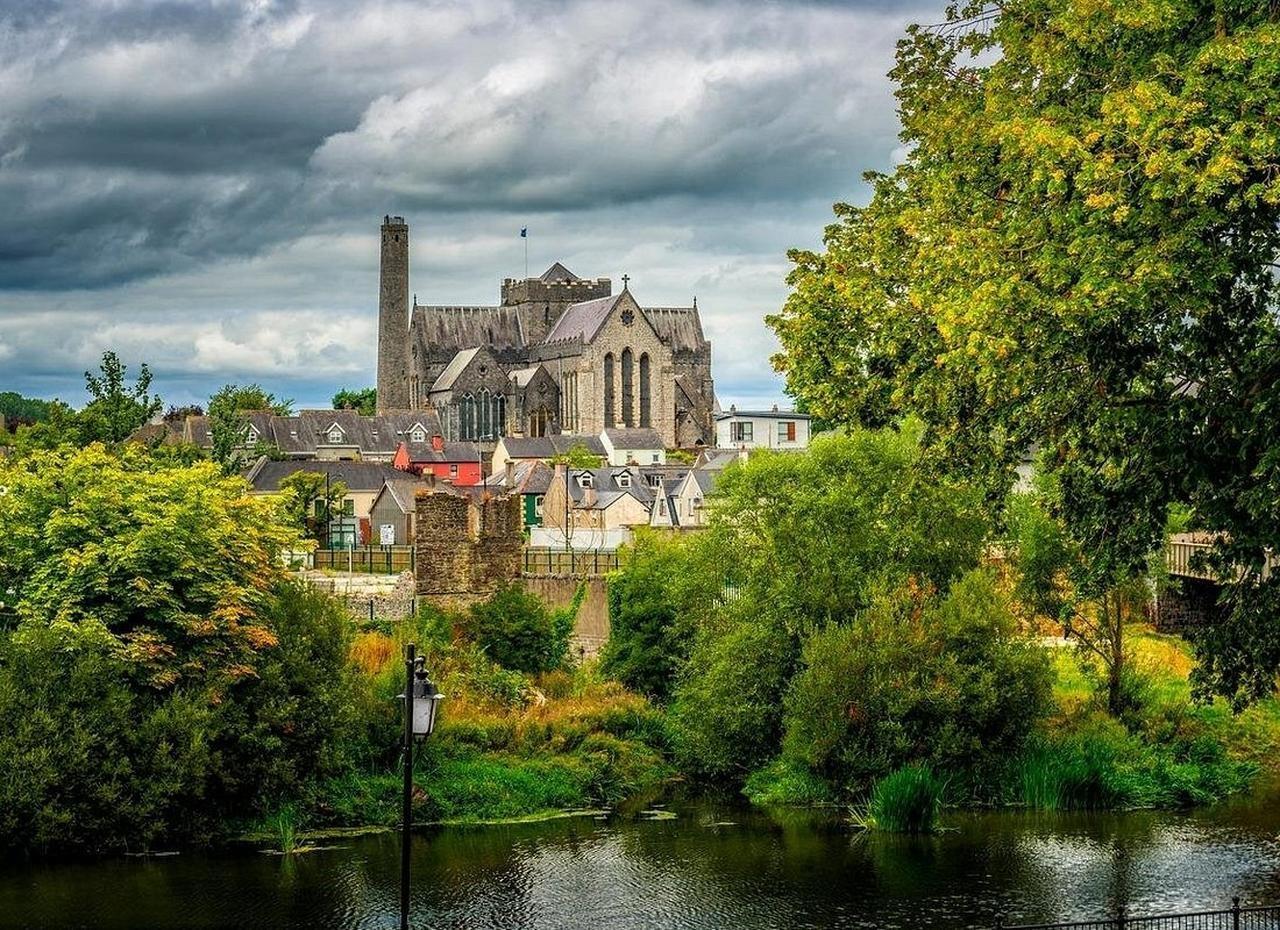
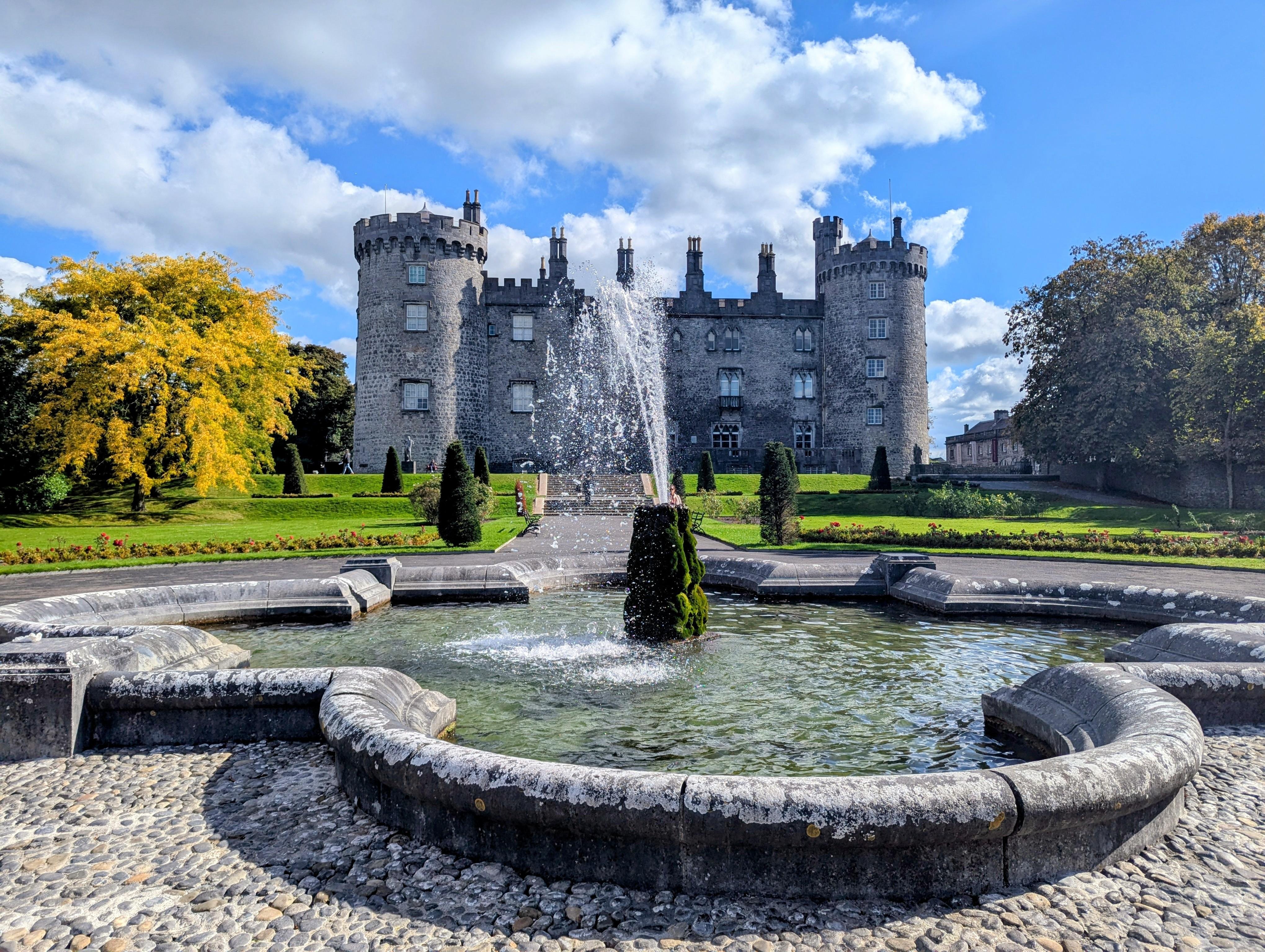
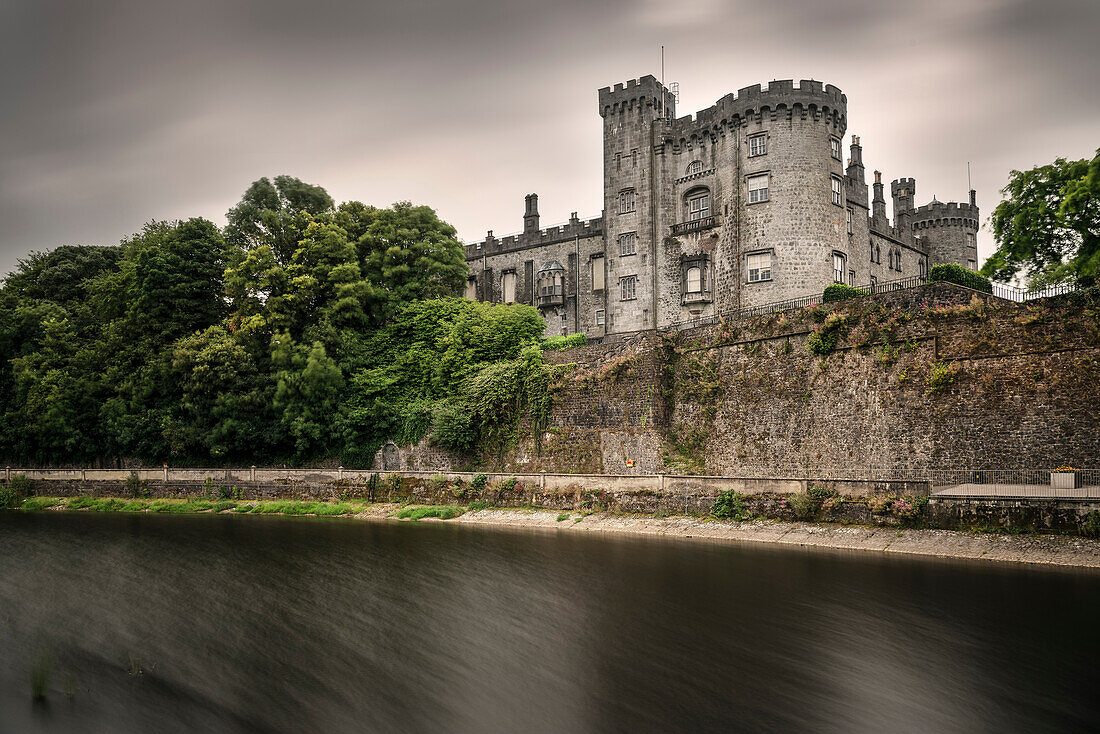
By afternoon you are on the Nore. Kilkenny's Medieval Mile runs downhill from St Canice's to the castle gates — slipways, a courthouse, painted shopfronts, black limestone underfoot. You climb the cathedral tower's ladder-stairs if they are open, and the county lies flat and green in every direction. Most kilkenny and glendalough tour tour operators leave you time to cross the castle parkland before the coach turns north, and you doze somewhere along the M9.
All the details about your upcoming adventure in one place
A kilkenny and glendalough tour pairs the monastic valley of Glendalough with the medieval streets of Kilkenny in a single day, crossing the Wicklow Mountains by coach between the two. Most kilkenny and glendalough tour tours follow the Sally Gap or Wicklow Gap road, with stops at the Upper and Lower Lakes, the round tower and graveyard at the monastic city, and free time around Kilkenny Castle and the Medieval Mile. Guides narrate throughout, covering the glacial valley, St Kevin's settlement, and the Nore and Barrow river country you pass through.
St Kevin's round tower at Glendalough rises roughly 30 metres above the valley floor, and its only doorway sits more than three metres off the ground, once reached by ladder alone.
Around it stands a monastic city founded in the sixth century, stripped of its bishopric in 1214 and quarried for stone for centuries afterwards. Travellers asking where Glendalough is in Ireland are directed to a glacial valley in the Wicklow Mountains, roughly an hour south of Dublin, where two lakes sit beneath the shoulders of Camaderry and Lugduff.
A Kilkenny and Glendalough tour exists because two unlike medieval survivals lie within a single day's driving. The Wicklow valley preserves early Christian Ireland in stone: the double-arched gatehouse, the roofless cathedral, the Priest's House, and St Kevin's Kitchen with its miniature belfry. Kilkenny, ninety kilometres south on the River Nore, preserves the Norman city — a castle held by the Butlers for close to six hundred years, the Black Abbey, and St Canice's Cathedral beside its own round tower. Operators sell the pairing under many names: the kilkenny wicklow and glendalough tour from dublin, the glendalough wicklow and kilkenny day tour from dublin, and the kilkenny wicklow and glendalough tour & sheepdog show, which folds a working hill farm into the itinerary.
The road matters as much as the endpoints. Coaches cross the Wicklow Gap or the Sally Gap, over blanket bog and past Lough Tay, the dark corrie lake below the Luggala estate. Guided kilkenny and glendalough tour tours also take in the visitor centre exhibition, where a scale model reconstructs the settlement in timber and thatch, before the path drops to the Lower Lake and the ruins proper. Adult admission to the monastic site and visitor centre is 5 EUR.
What survives here is not scenery alone. The high crosses, the Romanesque doorway of the Priest's House, and the corbelled stone roof of St Kevin's Kitchen record a building tradition that predates the Normans by four hundred years, while Kilkenny's black limestone — cut, polished and still underfoot in the Medieval Mile — records what came after. Where kilkenny and glendalough tour tickets once meant a coach seat and a guidebook, they now cover interpretation, waymarked lakeside paths and the sight of two round towers in a single Irish summer day.
Two lakes, a ruined gatehouse, and a tower built to be seen from the far end of the valley.
Wear sturdy shoes with grip, because the site includes uneven walkways and outdoor trails. In summer, a light waterproof layer still helps because Wicklow weather can shift quickly in the valley.
Bags are not subject to airport-style screening, but large backpacks are inconvenient in the narrow interior spaces and along uneven paths. Keep valuables zipped up; the monastic site and lakeside paths are open-air and not supervised like a museum gallery.
Photography is generally fine outdoors around the round tower, church ruins, and lakes. Tripods and drones are not mentioned on the official visitor page, so treat them as restricted unless a separate permit is arranged.
Families can use the visitor centre, toilets, and interpretive exhibits before heading outdoors. The official social guide is designed to help first-time visitors, families, and people with developmental and learning disabilities prepare for a visit to Glendalough Monastic Site and Visitor Centre.
The Visitor Centre is fully accessible for visitors with disabilities. The graveyard is very difficult for wheelchair users, and some walkways are uneven, so routes beyond the centre may be challenging.
Picnicking is common in the valley, but food and drink should be kept away from fragile ruins and littered only in bins. Hot food, alcohol, and open containers are not specifically advertised as welcome inside the monument area, so keep meals to the designated picnic areas or outside the archaeological core.
Last admission 17:15
Weekend visits are busier
Opening hours
Mon–Sun 09:30–18:00; seasonal changes apply and last admission is 45 minutes before closing. location
Opening hours
09:30 – 18:00
Getting there
City-center access via metro and bus
Accessibility
Most experiences are wheelchair-friendly — check individual tours
What to bring
Comfortable shoes, water, phone for mobile voucher
If you book a ticket or tour package that includes the OPW visitor centre admission, refund terms depend on the operator. For the site admission itself, the official entry fee is €5 for adults, and the visitor centre is open all year except 23–29 December inclusive.
Recommended time
Half a day
For a kilkenny and glendalough tour, plan on about half a day at Glendalough alone if you want time for the visitor centre, the monastic ruins, and a relaxed look around the lakeside paths. Heritage Ireland lists an average visit of 1 to 1.5 hours, but coach-based day trips usually need extra time for unloading, regrouping, and photo stops, so a tighter schedule can feel rushed. If your itinerary includes multiple stops, add buffer time rather than trimming the Glendalough segment, because the middle of the day is when the site feels most crowded and queues are most likely around the busiest arrival wave.
Crowd levels through the day
Glendalough begins with one man's withdrawal. Saint Kevin, a monk of the Dál Messin Corb, settled in the valley of the two lakes during the late sixth century. Tradition places his death in 618. What began as a hermit's retreat beside the Upper Lake became, within a century, one of Ireland's principal monastic schools. Pilgrims came for prayer and instruction. The valley acquired churches, workshops, and burial grounds. Most visitors on a kilkenny and glendalough tour arrive at the Lower Lake, where the monastic city was laid out along the Glendasan river. The monuments standing today are largely eleventh and twelfth century. The Round Tower rises roughly thirty metres, its doorway set well above ground level, built as a bell tower and a store for valuables. The Cathedral of Saints Peter and Paul, enlarged in stages from the tenth century onward, remains the largest church on the site. Saint Kevin's Church, with its steep stone roof and small belfry, is often called Saint Kevin's Kitchen. The Gateway, with its two granite arches, is the only surviving monastic entrance of its kind in Ireland. Reefert Church and the Priest's House complete the group most guided tours cover. Disaster came repeatedly. Viking raiding parties struck the valley several times in the tenth and eleventh centuries. Fire destroyed parts of the settlement in 1163. In 1214 the diocese of Glendalough was merged with Dublin, and the monastic city declined. English forces burned the site in 1398. Pilgrimage continued regardless, particularly for the Feast of Saint Kevin on 3 June, until church authorities suppressed the gathering in the nineteenth century. Restoration work under the Board of Works from the 1870s stabilised the ruins that survive. Today the site is a National Monument in state care. Anyone booking kilkenny and glendalough tour tickets is visiting the best-preserved early medieval monastic landscape in the country, set within the Wicklow Mountains National Park. A Wicklow monastic sites tour reaches many ruins; few match this concentration. What a kilkenny and glendalough tour tour offers is stonework that has stood, largely unaltered, for nine hundred years. Well-planned kilkenny and glendalough tour tours allow time for the Upper Lake path, where Kevin's original cell is said to have stood.
Saint Kevin settles as a hermit beside the Upper Lake in the valley of the two lakes.
Tradition records the death of Saint Kevin, after which the monastery grows into a major school.
Viking raiding parties attack the monastic settlement on several occasions.
Fire destroys part of the monastic city, prompting substantial rebuilding.
The diocese of Glendalough is merged with Dublin, beginning the site's long decline.
English forces burn the settlement, ending its role as an ecclesiastical centre.
Board of Works conservation stabilises the Round Tower, Cathedral and lesser churches.
The valley is a National Monument within Wicklow Mountains National Park.
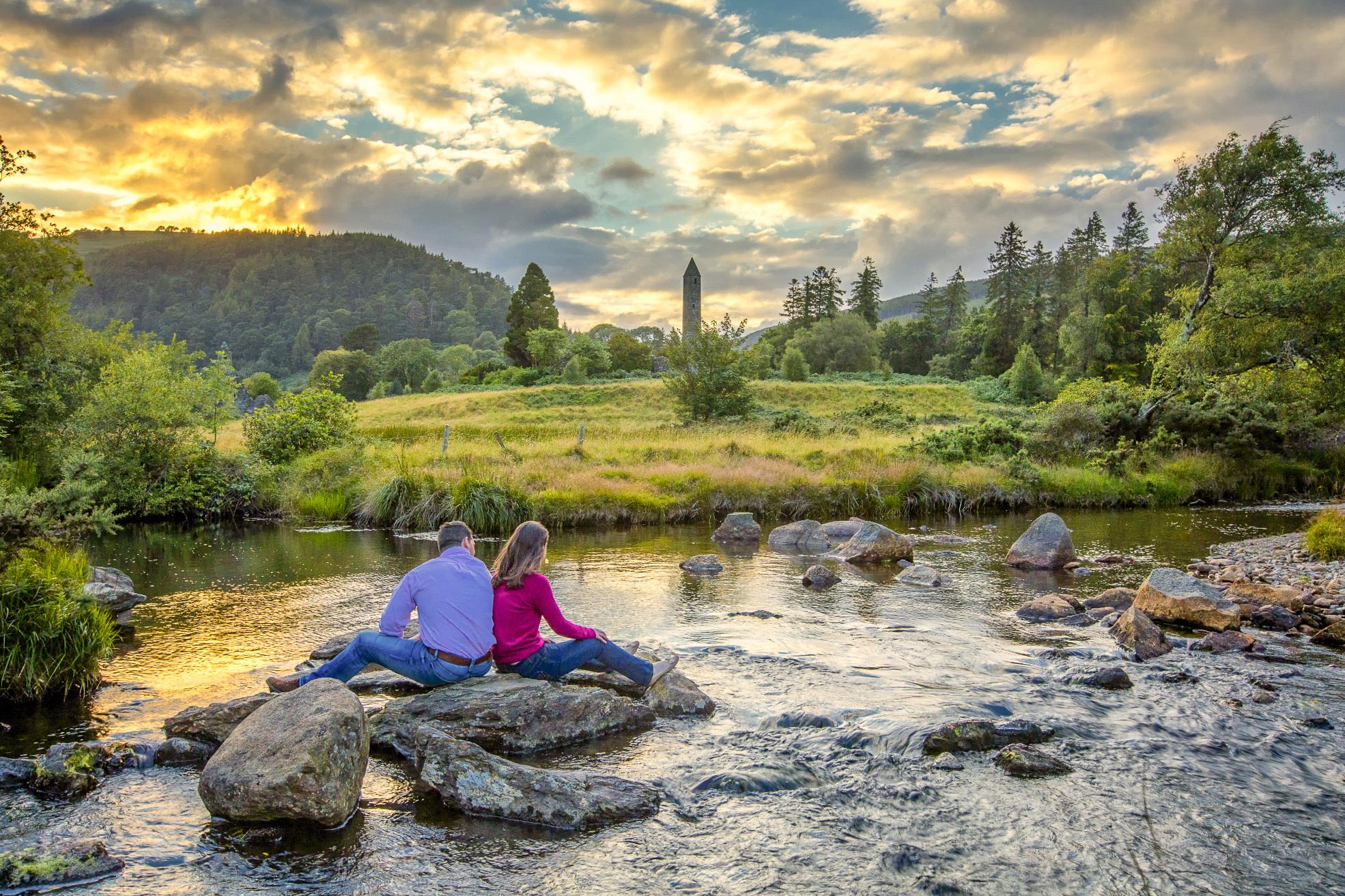
Stand on the open grass inside the monastic enclosure for the classic Glendalough frame: the round tower, church ruins, and graveyard in one shot. This is the easiest stop on the kilkenny and glendalough tour, and it works best when you keep the tower slightly off-center and include foreground stones for scale.
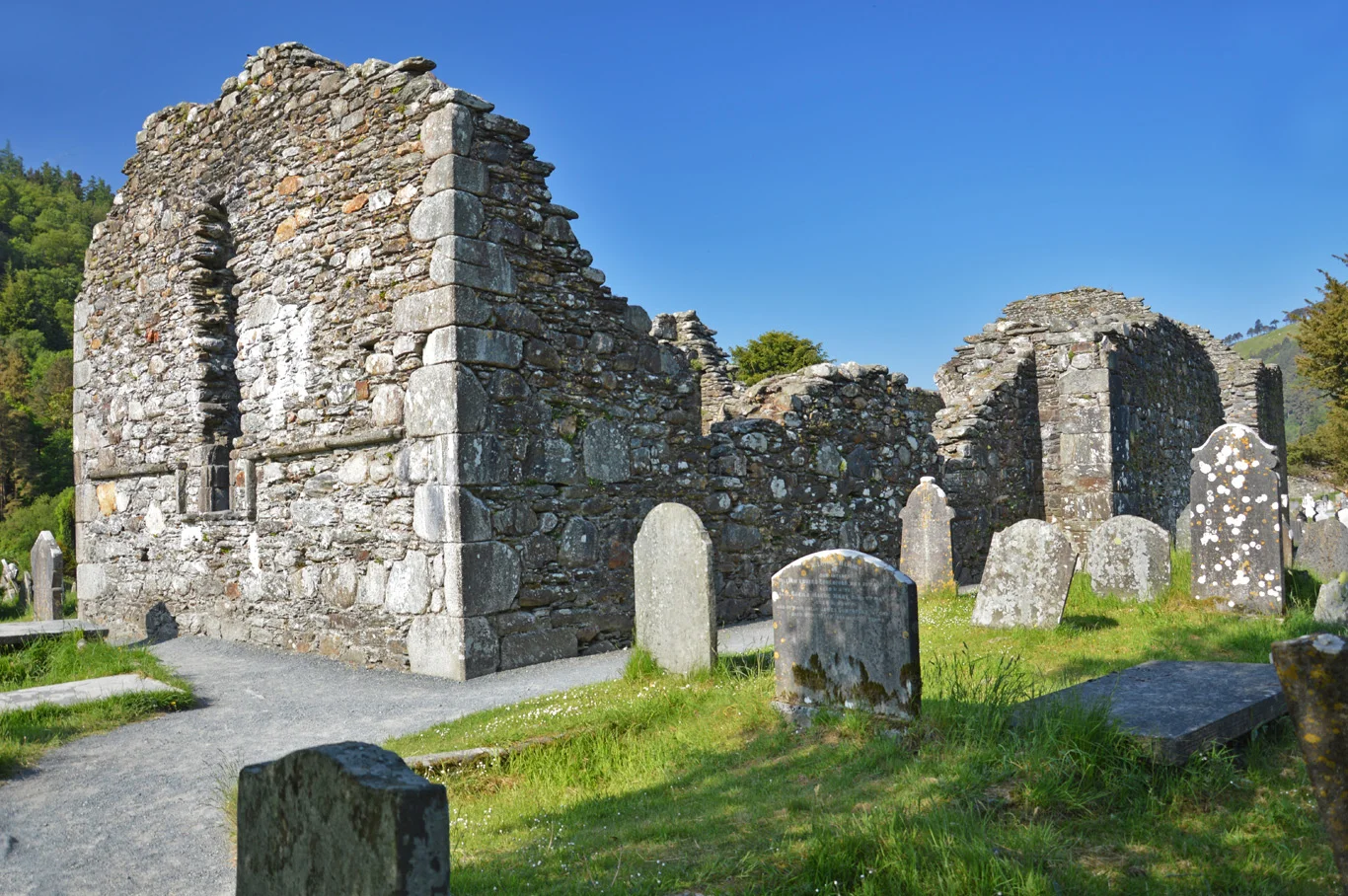
Move to the Cathedral and nearby ruined church walls for a layered composition with arches, carved stone, and the tower behind them. The shot is strongest from the paths around the ruins, where you can keep tourists out of the frame without stepping into restricted areas.
Shoot from the lakeside path at Upper Lake for reflections, tree lines, and the valley opening into the mountains. This is the cleanest place to show why Glendalough is known as the Valley of the Two Lakes, with room for wide landscape frames and tighter water-edge details.
Pause near the lower valley approach for an easy wide shot that includes water, hillside, and the monastic site area in one scene. It is a good brief stop on a Glendalough valley sightseeing tour because the viewpoint is close to the main visitor flow and does not require a long walk.
Use the open valley side near the visitor centre for a broader establishing shot of the settlement tucked between the hills. This angle works well for context images, especially if you want one frame that ties the monastic ruins to the Wicklow landscape without climbing to the upper trails.
On a kilkenny and glendalough tour, the easiest meal stop is Laragh, just outside the Glendalough valley, where you can eat without losing much time. For a quicker pattern, grab coffee or a light lunch near the visitor-centre area, then save a fuller sit-down meal for after the lakes and monastic site.
A reliable sit-down choice in Laragh for breakfast, lunch, or dinner. Go for Irish classics, chowder, or lamb after the site visit; it can be busy at peak lunch and early evening times.
Best for a relaxed pub meal on the way in or out of the valley. It suits groups wanting hearty plates and a pint, and it is a practical dinner stop after a full day out.
Good for coffee, scones, soup, and a fast lunch when you want to stay close to the park. It is a sensible snack stop before or after walking the lakes.
Useful if your route includes Kilkenny before or after Wicklow, with simple breakfasts, sandwiches, and coffee. It is the kind of place travelers use to keep the day moving on longer tour tours.
A slower-paced option for tea, lunch, or a late breakfast when you want a calmer table than the busiest spots. It works well if your kilkenny and glendalough tour tickets day includes a flexible meal break.
Real experiences from real travelers
We booked the kilkenny and glendalough tour on a Tuesday and left Dublin before the traffic built up. The Upper Lake was flat as glass mid-morning and you could hear the stream running over stones from the path. Bring a rain layer even in July, because the weather turned twice between the valley and the castle grounds.
The drive over the Wicklow Gap was the surprise for me: bog, sheep and cloud shadow sliding across the hills for twenty minutes straight. Our driver pulled in above Lough Tay so everyone could get out and stretch. Comfortable coach, clear sound system, and no rush at the stops.
The kilkenny and glendalough tour tour covered a lot of ground and the guide kept the commentary light rather than lecturing us. I would have liked longer on the Medieval Mile, though the walk from the castle down to St Canice's is manageable if you keep moving. Wear proper shoes for the gravel paths around the monastic city.
Low cloud sat on the valley when we arrived and the round tower kept appearing and disappearing above the trees. Our group was about thirty people but it never felt crowded once everyone spread out along the lakeside path. Coffee at the visitor centre was better than I expected.
What works about this kilkenny and glendalough tour is the contrast, wild bog and dark lakes in the morning and then a walled town with narrow lanes in the afternoon. The Nore was running high after rain and the water noise carried right up to the castle wall. Pickup in Dublin was on time and we were back well before dark.
February in the Wicklow Mountains meant frost holding in the shade and very clear light over the Glendalough valley, which suited us fine. The guide gave us plenty of free time to walk toward the Upper Lake before we headed south. Kilkenny had a proper small-city feel, easy to cross end to end on foot.
I booked the kilkenny and glendalough tour for my parents and myself and the pacing suited all three of us. The gateway and round tower sit close to the drop-off, so nobody had to walk far to see the main things. Seats were assigned, which stopped the usual scramble at each stop.
Having done these roads myself in a car, I would take the coach again, since the Sally Gap is narrow and you spend the whole time watching the tarmac instead of the hills. The driver knew where to pull in for the open views without blocking traffic. Autumn colour along the lower lake was worth the early start.
A Wicklow and Kilkenny day trip is a genuinely long day out of Dublin, so eat something before the pickup. The Black Abbey and the castle grounds were the highlights of the second half for me. Commentary was clear and the guide answered questions on the coach between stops.
We went in high summer and the kilkenny and glendalough tour still felt unhurried, with midges near the water the only real annoyance late in the day. Standing at the far end of the Upper Lake with the cliffs rising behind gives a real sense of scale. The coach was air conditioned, which mattered on a warm afternoon.
Everything you need to know for your journey
The Glendalough Visitor Centre is open daily from 09:30 to 18:00 from mid-March to 14 October, and daily from 09:30 to 17:00 from 15 October to mid-March. It is open all year except 23–29 December inclusive.
Last admission is 45 minutes before closing, which means 17:15 in the longer season and 16:15 in winter. That timing applies to the buildings and toilets at Glendalough Visitor Centre.
Yes. The Visitor Centre is fully accessible for visitors with disabilities, but access to the graveyard is very difficult for wheelchair users. Uneven walkways are listed among the site restrictions, so some outdoor routes are less suitable than the centre itself.
The official page does not describe a screening point, but it does list the site as a mix of buildings, toilets, trails, and open-air ruins. Keep bags manageable because the site is better explored with light day bags than with bulky luggage.
Yes, photography is fine for most outdoor views and ruins at Glendalough. Because the site page does not publish a special photo permit rule, follow standard heritage-site etiquette and avoid disturbing other visitors or blocking paths.
For the kilkenny and glendalough tour, the calmest conditions are usually on a weekday morning in the main season, especially after the 09:30 opening. The official best arrival window is 09:30–11:00, which is the safest way to beat midday crowds.
Wear sturdy shoes and a weatherproof layer. The valley has uneven walkways, and Wicklow weather can change quickly even in summer, so a jacket is useful year-round.
You can bring water and snacks, but keep food away from the ruins and dispose of waste properly. If you want a meal stop, plan it outside the protected monument area rather than inside the monastic core.
By car, use Glendalough, Bray, Co. Wicklow, A98 HC80, Ireland as your destination. By public transport, the Heritage Ireland page links to bus directions, and TFI route 183 serves Glendalough Visitor Centre on a Monday-to-Sunday timetable.
Yes. The visitor centre has baby changing, toilets, and interpretive exhibits, and the official social guide is aimed at families as well as first-time visitors. The outdoor ruins are manageable for children if you keep to short loops and supervise them on uneven ground.
Cancellation terms depend on the operator if your booking includes transport or a guided component. The site admission fee itself is €5 for adults, so check whether your ticket covers only entry or a broader package before you book.
Glendalough works well with nearby Wicklow towns such as Bray, Wicklow Town, Arklow, and Roundwood. Heritage Ireland also lists nearby sites like National Botanic Garden of Ireland – Kilmacurragh, which is about 14.9 km away.
Join thousands of happy travelers who have discovered this incredible experience
Book Your Experience Now